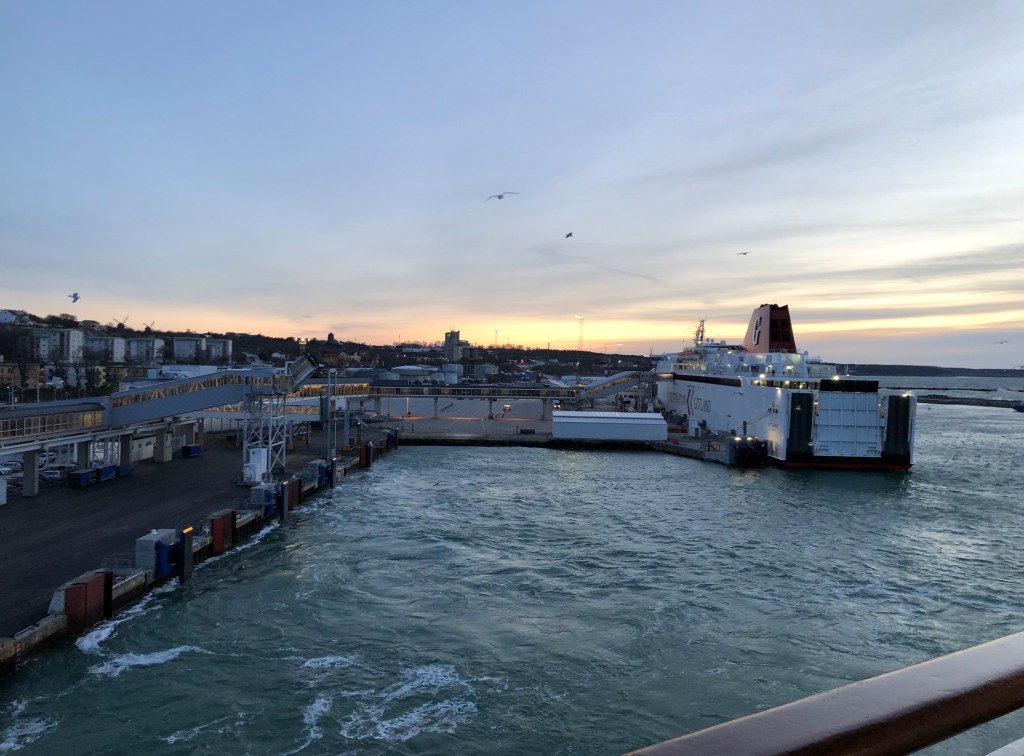
Core Course Week is a time when students are able to dive into their respective core courses and learn more about their topic from a different location within Sweden. My core course is Comparative Economics and we had the opportunity to travel to an island in the Baltic Sea named Gotland.
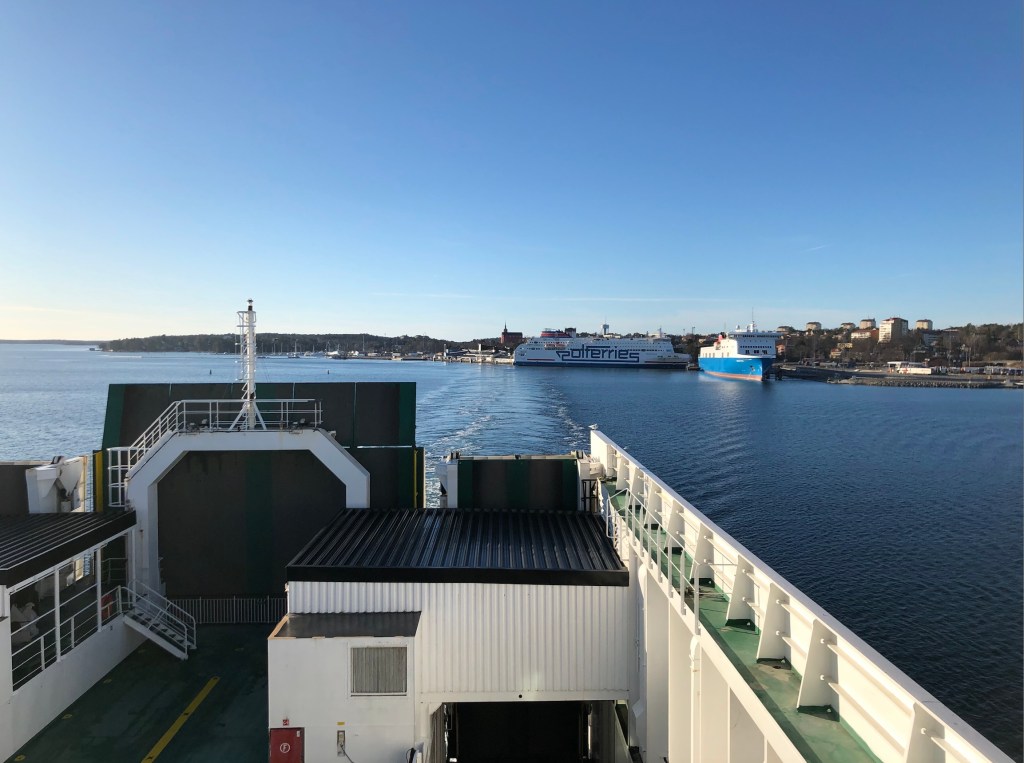
We left early Monday morning on the commuter train heading south from Stockholm to a port city in southern Sweden named Nynashamn. From there we took a ferry (which was actually more like a cruise ship) three hours to the city of Visby. The ferry itself was quite an experience, complete with a cafeteria, convenience store, large observation decks, and even a movie theater, our class had a blast exploring the ship.
Once we got to the city we settled into our hostel and visited the office where Medeltidsveken is organized. Medeltidsveken is a medieval festival that is held on the island during the 32nd week every year. It draws 40,000 visitors to the island, thereby almost doubling the island’s size. Most of the island’s economy is based around tourism, so it’s important for the event organizers to add new events/revamp the festival each year.
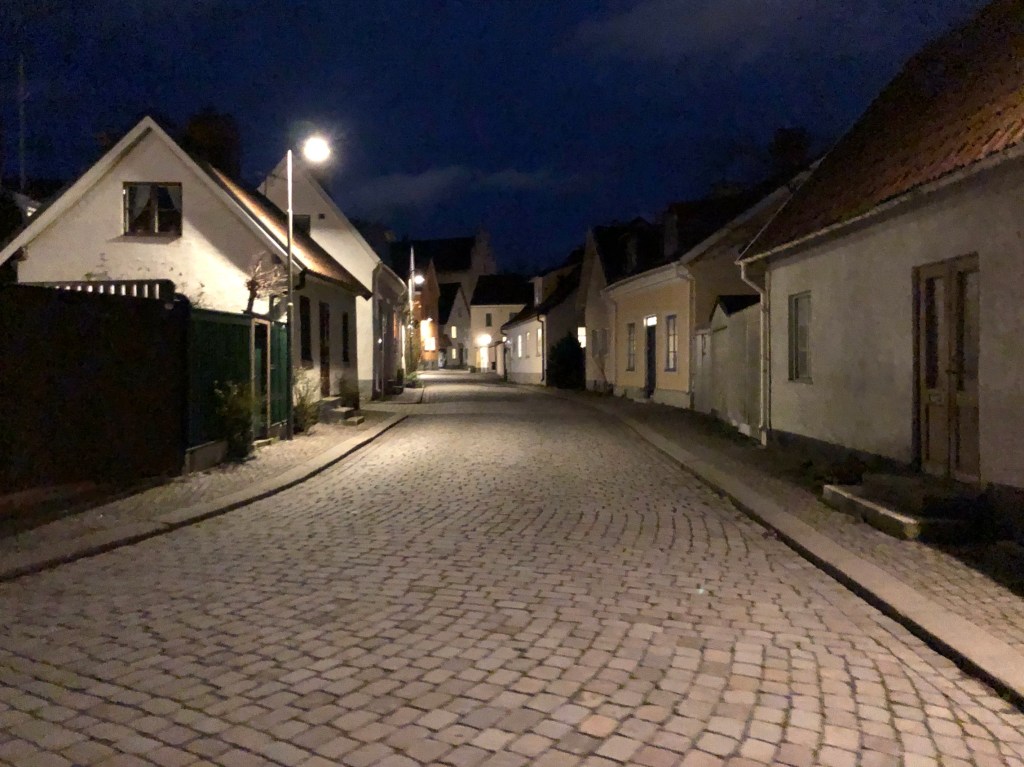
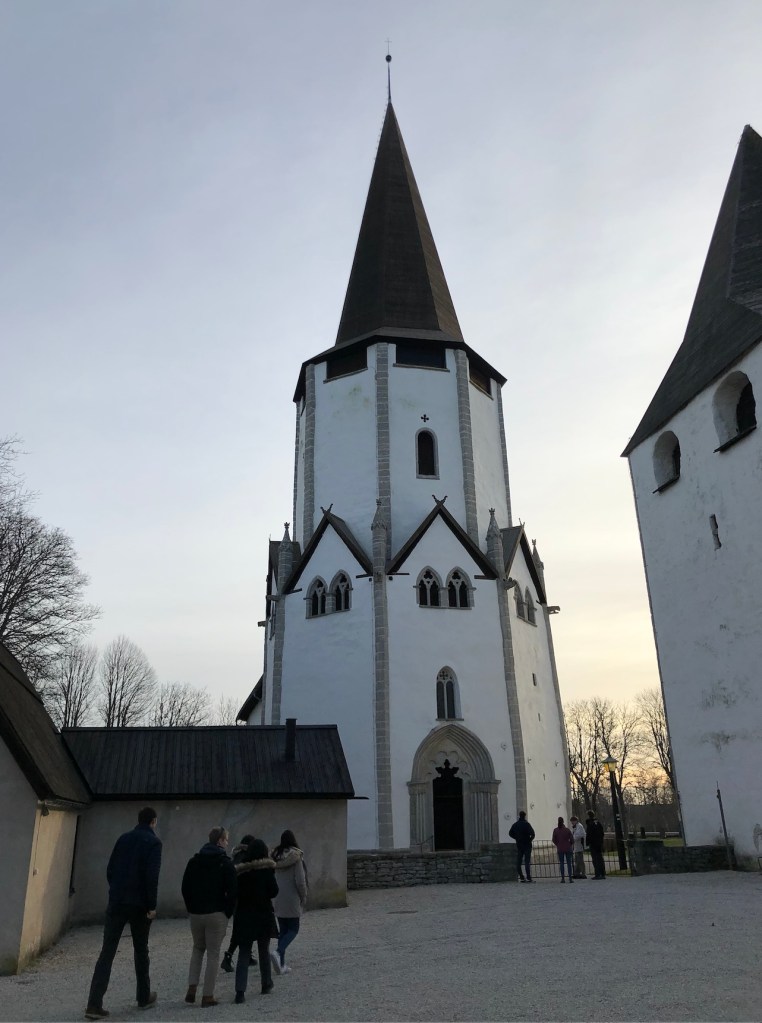
After meeting with the Medeltidsveken organizers we were taken on a tour of the city of Visby, in which we were able to see the old city wall and multiple churches that were built as early as the 13th century. The island itself was very important strategically as a refilling station/ trading post for boats, and subsequently it was attacked by many different countries such as Denmark, Germany, Sweden, and even pirates. Therefore, many of the buildings have differing architectural styles based on the people occupying the island at the time.
The following day we met with an organizer of the Almedalen Festival on Gotland. Almedalen is a political festival that is held each summer on Gotland in which politicians, reporters, and civilians from all over Sweden gather and listen to talks and workshops. This festival also brings in 40,000+ visitors and is a major boost to the local economy. We also met with an administrator from Region Gotland which is a government organization with goals to expand the local business economy.
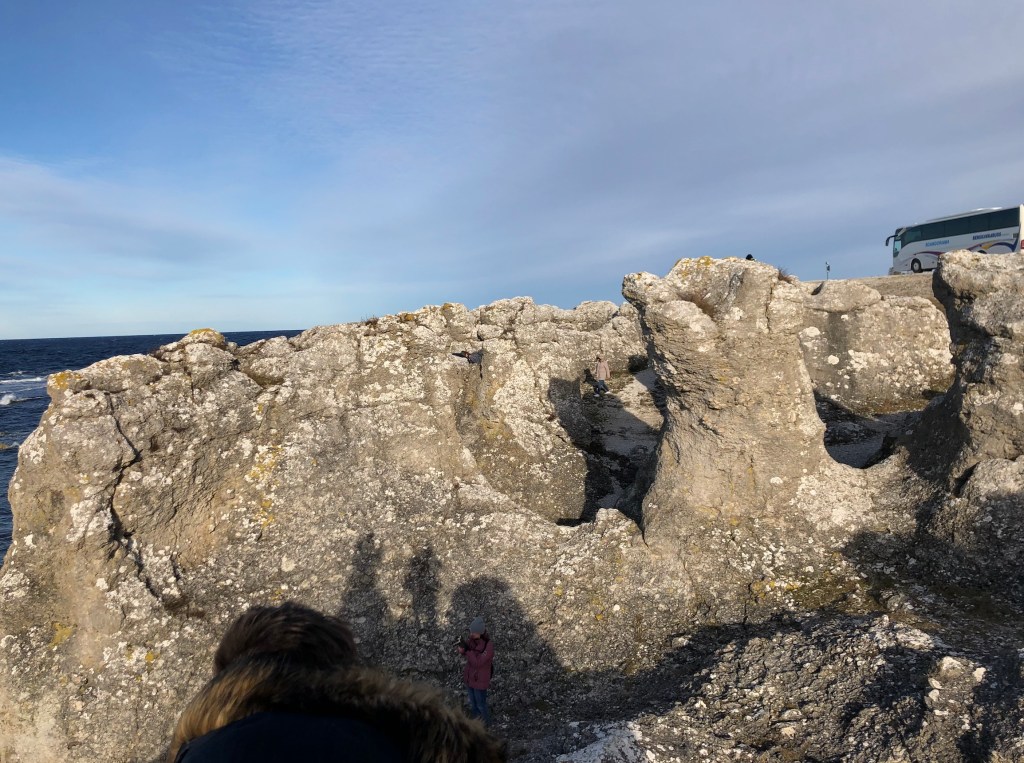
Our last day on Gotland we did more sightseeing on the island, taking a tour bus to the northern part of the island and to a smaller island named Faro. This island is famous as it is the resting place of Swedish film director, Ingmar Bergman. We also explored rock formations known as “rauks” which had been formed when the water washed away the weaker rock and left the stronger rock behind.
After our day exploring, we made our way back to the port where we once again boarded a ferry to head back to the mainland and end our short excursion.